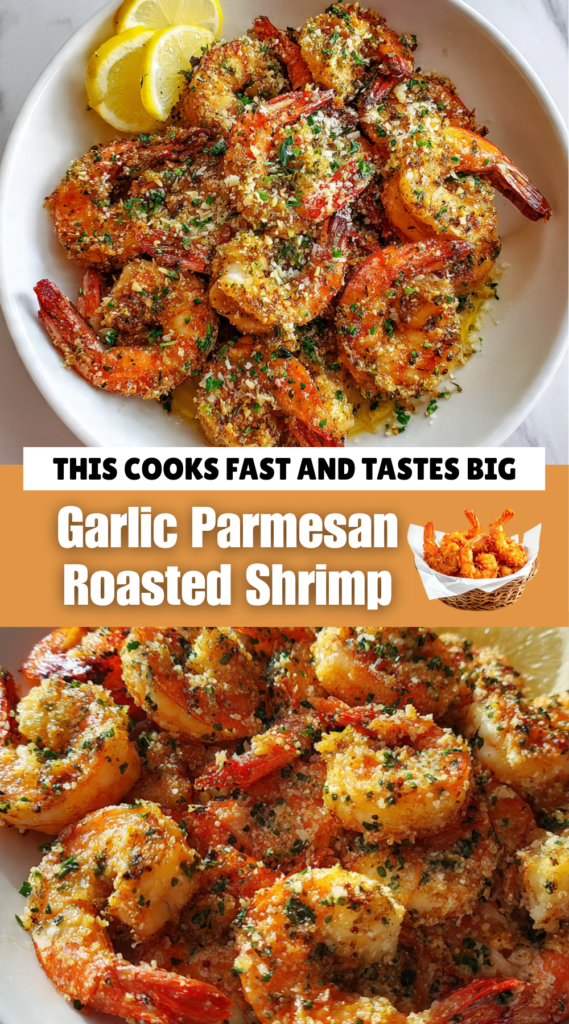
Garlic Parmesan Roasted Shrimp
It was about 6:30 PM, the kitchen was dim, and I just wanted something that tasted like effort without actually requiring much of it. I wanted that sharp hit of garlic and the saltiness of parmesan to cut through the gray mood of a rainy Tuesday.
What Happened While Cooking
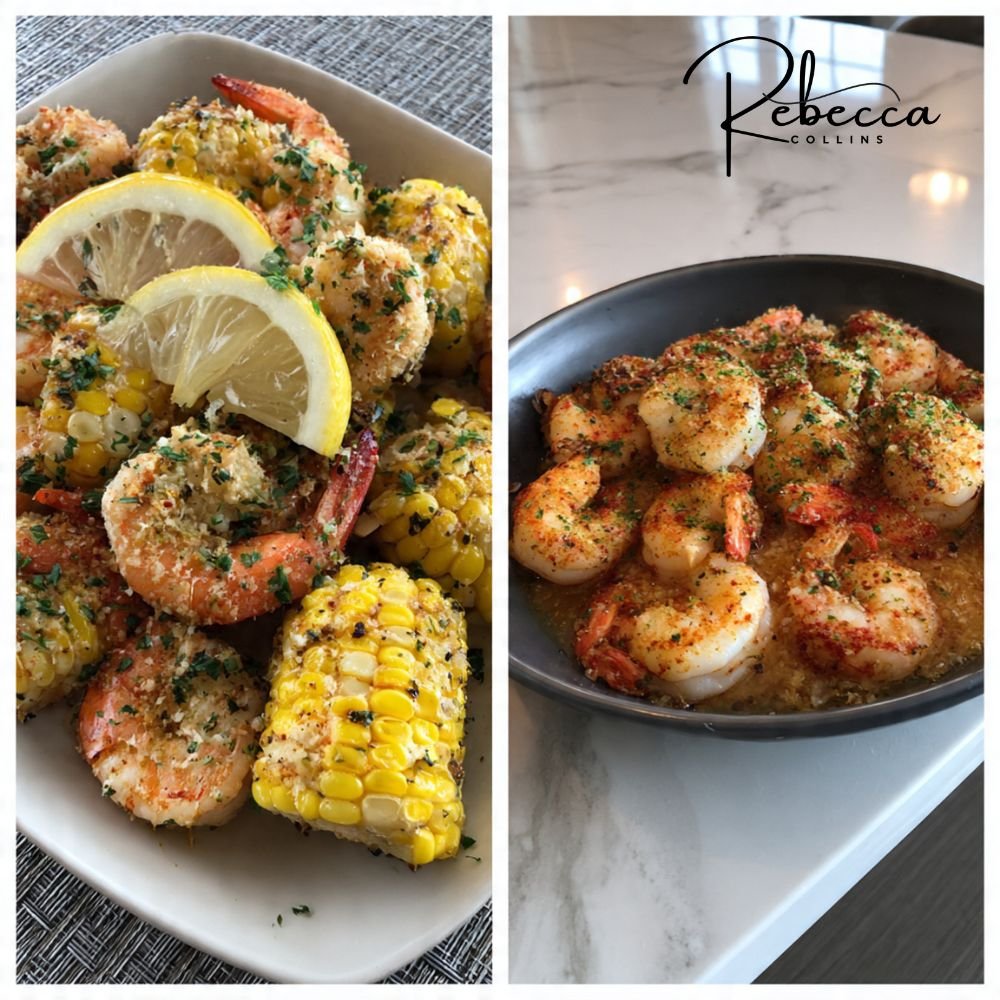
About five minutes into the roasting, I realized I hadn’t dried the shrimp thoroughly enough after thawing them. I noticed a small pool of gray liquid forming at the bottom of the sheet pan, which is the enemy of a good roast—it basically starts steaming the food instead of searing it. I had to quickly pull the tray out, tilt it over the sink to drain the excess moisture, and crank the oven up another twenty degrees to compensate. It was a close call; if I’d left them, they would have turned out rubbery and pale. Once I got them back in the higher heat, the edges finally started to get that slight snap I was looking for.
Ingredient Notes
- The Parmesan: I used the stuff from the green shaker can once in a pinch, and it just turns into a sandy paste. This time, I grated a block of Parmigiano-Reggiano using the smallest holes on the box grater. It melts into a lacy crust rather than a clump.
- Garlic: I went with four cloves for a single pound of shrimp. It felt like a lot while peeling them, but shrimp can handle the heat. I smashed them into a paste with a bit of salt to make sure the flavor actually stuck to the shells.
- Red Pepper Flakes: I almost skipped these, but I’m glad I didn’t. They don’t make it “spicy” so much as they cut through the richness of the butter and cheese.
Step-by-Step Cooking Experience
- Thawing and Prepping: I ran the shrimp under cold water until they were pliable. I spent an extra two minutes peeling them but left the tails on—mostly because they look better, but also because they give you a “handle” for dipping later.
- The Toss: I put the shrimp in a glass bowl and drizzled them with melted butter and olive oil. I watched the garlic paste smear across the translucent pink flesh, making sure every crevice was coated.
- The Cheese Coating: I sprinkled the parmesan over the top last. I noticed that if you mix the cheese in with the oil first, it clumps, so I did it as a final dusting right on the sheet pan.
- The Roast: I slid the pan into the middle rack. By the four-minute mark, the kitchen smelled incredible—that specific scent of toasted cheese and sizzling garlic. I pulled one out at six minutes to check the texture; it was opaque all the way through but still bouncy.
- The Finish: A quick squeeze of fresh lemon right as they came out of the oven. You can hear the juice sizzle against the hot metal pan.
Mistakes & Fixes
My biggest risk was the garlic burning. Because the oven was so hot, the tiny minced bits started to turn dark brown toward the edges of the pan. I realized I’d spread the shrimp out too far, leaving the bits of garlic on the bare metal to scorch. I used a spatula to crowd the shrimp closer together halfway through, which kept the garlic nestled against the moist seafood and stopped the bitter burning. Next time, I’ll keep the pile a bit more compact on the tray.
Serving & Leftovers
I served these straight off the pan with a side of crusty bread to soak up the garlic butter. My partner and I ended up eating most of them standing up at the kitchen island before we even made it to the table. There were about six shrimp left over, which I tossed into a cold glass container. I ate them for lunch the next day, sliced up over a simple green salad. They don’t keep that “snap” when reheated in a microwave, so eating them cold was definitely the better move.
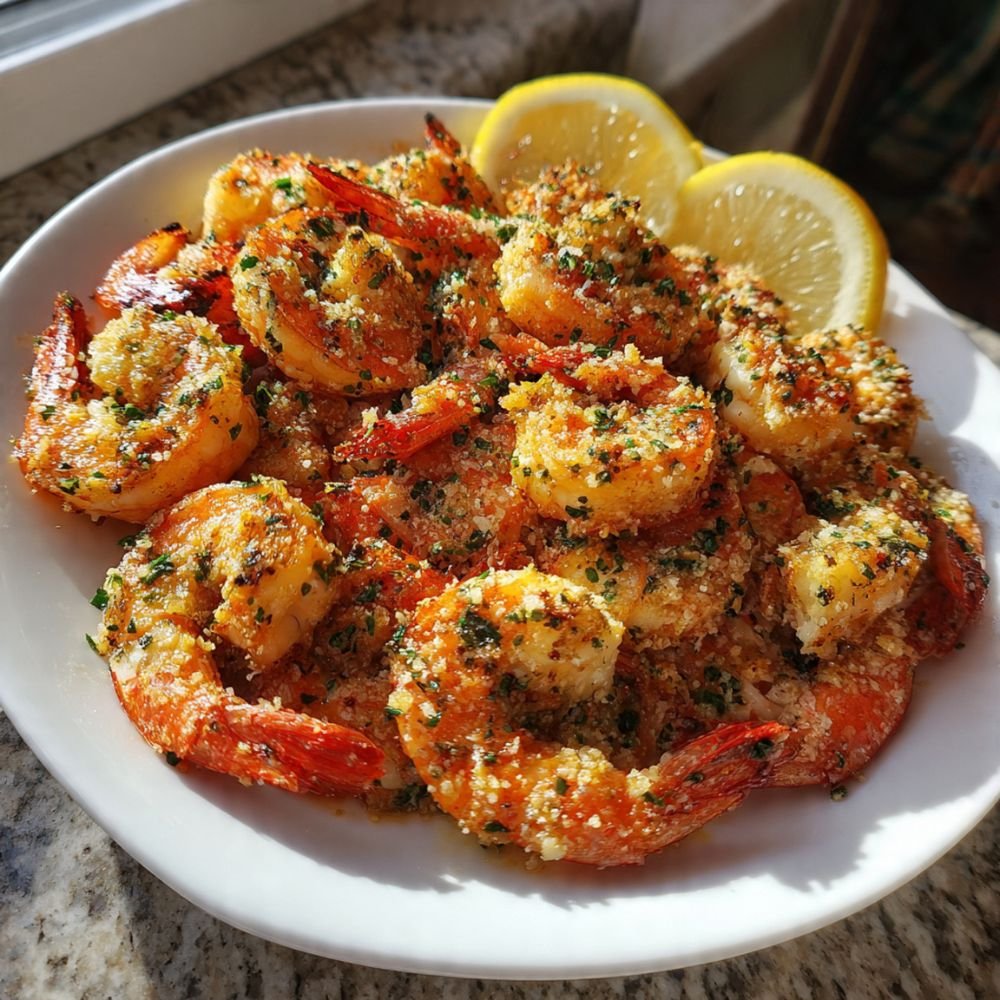
Garlic Parmesan Roasted Shrimp
Juicy, plump shrimp roasted to perfection with garlic, Parmesan cheese, and herbs. This quick, 15-minute recipe yields tender shrimp with crispy, golden edges—perfect as an appetizer, over pasta, or with crusty bread.
shopping_basket Ingredients
- 1½ lbs large shrimp (21-25 count), peeled and deveined
- ¼ cup olive oil
- 6 cloves garlic, minced
- ½ cup grated Parmesan cheese
- 1 tsp Italian seasoning
- ½ tsp paprika
- ½ tsp salt
- ¼ tsp black pepper
- ¼ tsp red pepper flakes (optional)
- 2 tbsp fresh lemon juice
- 2 tbsp fresh parsley, chopped
- 1 lemon, cut into wedges
- cooked pasta or crusty bread
list Instructions
- Preheat Oven: Preheat oven to 400°F (200°C). Line a baking sheet with parchment paper or foil for easy cleanup.
- Prepare Shrimp: Pat shrimp dry with paper towels and place in a large bowl. This ensures the coating sticks well and the shrimp roast rather than steam.
- Make Garlic Mixture: In a small bowl, combine olive oil, minced garlic, Italian seasoning, paprika, salt, black pepper, and red pepper flakes (if using). Whisk until well blended.
- Coat Shrimp: Pour the garlic mixture over the shrimp and toss until evenly coated. Add grated Parmesan and toss again to combine.
- Arrange on Baking Sheet: Spread shrimp in a single layer on the prepared baking sheet, making sure they aren’t crowded. This allows them to roast properly and develop crispy edges.
- Roast: Bake for 8-10 minutes, until shrimp are pink, opaque, and slightly golden around the edges. Do not overcook—shrimp continue to cook slightly after removal from oven.
- Finish: Remove from oven and immediately drizzle with fresh lemon juice. Sprinkle with chopped parsley.
- Serve: Serve hot with lemon wedges. Enjoy as an appetizer, over pasta, with rice, or with crusty bread to soak up the delicious garlic-Parmesan juices.
monitor_heart Nutrition Information
Per Serving (approx. 6 oz shrimp)
lightbulb Success Tips & Variations
- Don’t overcook: Shrimp cook very quickly. At 400°F, 8-10 minutes is usually perfect. Overcooked shrimp become rubbery.
- Use fresh garlic: Fresh minced garlic provides the best flavor. Pre-minced jarred garlic can be used in a pinch, but fresh is superior.
- Pat shrimp dry: Removing excess moisture helps the coating adhere and promotes roasting rather than steaming.
- Single layer is key: Arrange shrimp with space between them. Crowding causes steaming and prevents crisping.
- Make it a meal: Toss roasted shrimp with cooked pasta (linguine or angel hair), add to salads, or serve over zucchini noodles for a low-carb option.
- Add vegetables: Roast cherry tomatoes, asparagus, or broccoli on the same baking sheet for a complete one-pan meal.
package Storage & Reheating
Storage: Store leftovers in an airtight container in the refrigerator for up to 2 days. The Parmesan coating may soften but remains flavorful.
Reheating: Reheat gently in a skillet over medium-low heat for 2-3 minutes, or in the oven at 350°F for 5-7 minutes. Avoid microwaving, which can make shrimp rubbery.
Freezing: Not recommended as roasted shrimp become mushy when thawed. For best results, enjoy fresh.
SAVE THIS RECIPE