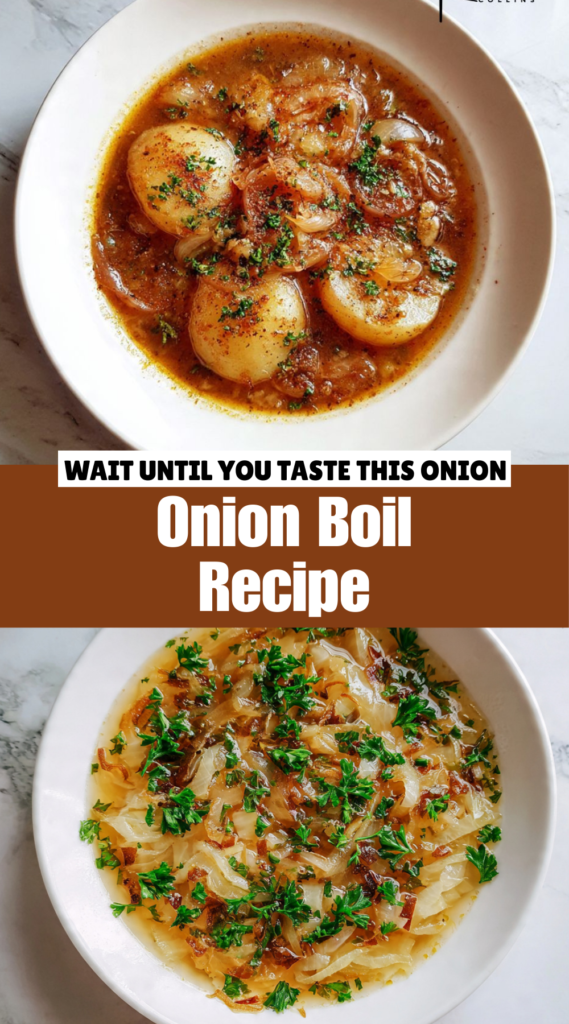
Onion Boil Recipe (Garlic Butter Cajun Style)
I’d seen variations of “onion boils” trending—essentially treating whole onions like the star of a seafood boil—and since I was in the mood for something messy and savory, it felt like the right time to try it. The house was cold, and the idea of a big, steaming pot of spiced vegetables sounded better than a standard soup. I wasn’t looking for a delicate side dish; I wanted something bold, buttery, and a little bit ridiculous to eat with my hands.
What Happened While Cooking
The trickiest part was managing the structural integrity of the onions. About fifteen minutes into the boil, I noticed the outer layers of the largest onion were starting to drift away like translucent ghost skins. I had realized too late that I’d cut the root ends off too aggressively. I had to quickly lower the heat from a rolling boil to a very gentle simmer and use a slotted spoon to nudge the onions closer together so they wouldn’t unravel completely. It was a close call—any more agitation and I would have ended up with a pot of onion fragments instead of the whole, tender bulbs I was aiming for.
Ingredient Notes
- Yellow Onions: I used medium-sized yellow onions. Red onions turn a strange, muddy gray when boiled for this long, and white onions tend to fall apart too fast. The yellow ones have enough sugar to get sweet but enough fiber to hold their shape.
- Old Bay Seasoning: I considered making my own spice blend, but there’s a specific celery-salt-and-paprika punch in Old Bay that makes this feel like a “boil.” I used about double what I thought I’d need because much of it stays in the water.
- Unsalted Butter: Since the seasoning and the bouillon I added were already salt-heavy, using unsalted butter for the final drench allowed me to control the seasoning at the end.
Step-by-Step Cooking Experience
- The Prep: I peeled the papery skins off six onions but left the root base mostly intact. I poked a few holes in the tops with a skewer, hoping the spicy broth would actually penetrate the center.
- The Broth: I filled a large stockpot with water, a generous heap of spices, and a few smashed garlic cloves. As it came to a boil, the air in the kitchen turned thick and peppery—it smelled exactly like a pier on the coast.
- The Submerge: I dropped the onions in carefully. I also threw in a few halved lemons. I noticed the lemons started to soften and release their oils almost immediately, which brightened the heavy scent of the onions.
- The Butter Drench: While the onions simmered, I melted a stick of butter in a small pan and whisked in more spices and a little bit of the boiling liquid to emulsify it.
- The Check: After about 25 minutes, I pierced an onion with a knife. It slid in with zero resistance, like hitting room-temperature butter. That’s when I knew they were done.
Mistakes & Fixes
I made the mistake of not tasting the boiling liquid halfway through. When I finally did, it was incredibly bitter because I had boiled the lemon halves for too long with the pith attached. To fix the bitterness before it ruined the onions, I added a tablespoon of brown sugar to the pot. The sweetness balanced the acrid lemon note and actually helped the onions develop a richer, deeper flavor as they finished cooking. Next time, I’ll just squeeze the lemon juice in and toss the rinds in for only the last five minutes.
Serving & Leftovers
I served these in a big shallow bowl, drenched in the spiced butter and topped with a handful of fresh parsley to make it look less… brown. My friend and I ate them by pulling the layers apart with forks, dipping each petal into the extra butter at the bottom of the bowl. We didn’t have any leftovers—onions prepared this way go surprisingly fast—but if I had, I imagine they would be incredible chopped up and folded into an omelet the next morning. Reheating them in the microwave would likely make them too soft, so the stovetop would be the way to go.
It’s a strange, deeply comforting dish that I’d definitely make again, especially as a cheap and impressive-looking appetizer for a casual get-together.
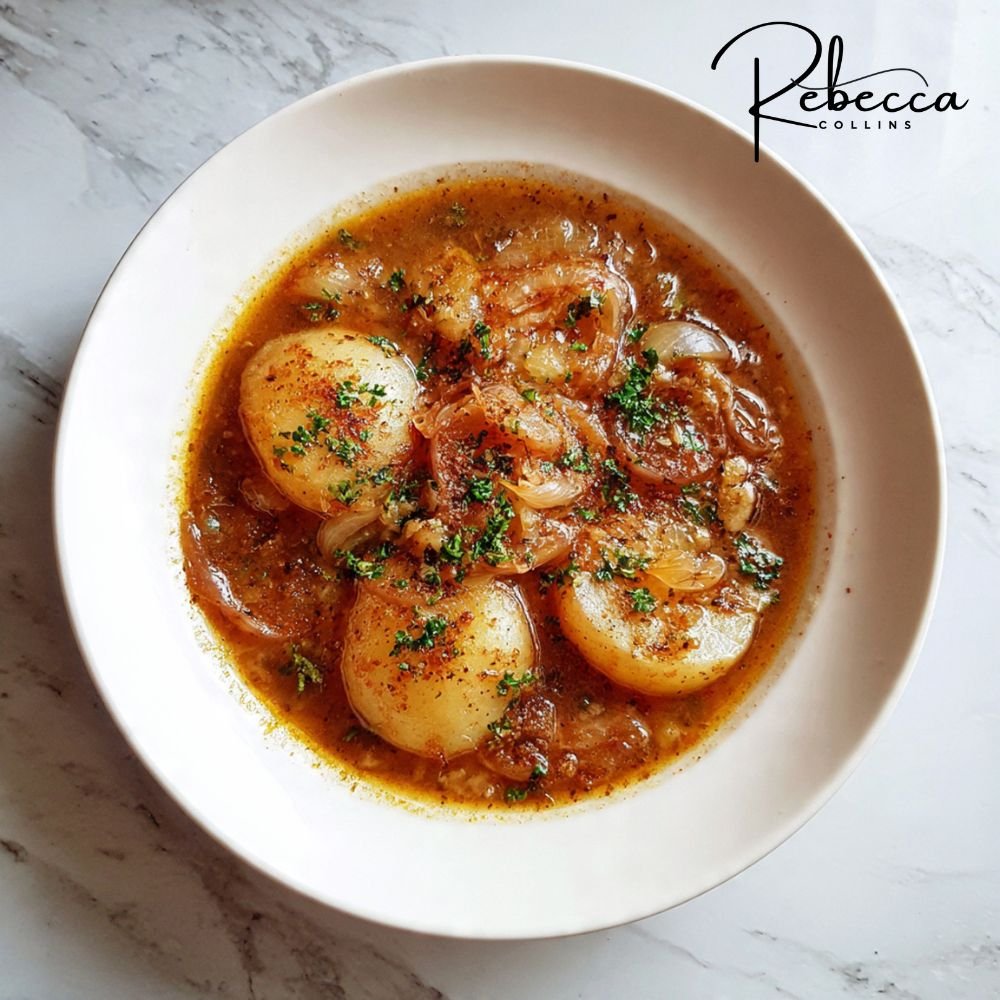
Onion Boil Recipe
A simple, comforting dish of tender boiled onions in a flavorful broth, perfect as a side or light main course. This humble recipe highlights the natural sweetness of onions in a savory, aromatic preparation.
shopping_basket Ingredients
- 4 large yellow onions, peeled and quartered
- 4 cups vegetable or chicken broth
- 2 tbsp butter
- 2 cloves garlic, minced
- 1 tsp salt
- ½ tsp black pepper
- 1 tsp dried thyme
- 1 bay leaf
- 2 tbsp fresh parsley, chopped
list Instructions
- Prepare Onions: Peel the onions and cut each into quarters, keeping the root ends intact so they hold together during cooking.
- Sauté Aromatics: In a large pot, melt butter over medium heat. Add minced garlic and sauté for 1 minute until fragrant.
- Add Onions: Add the quartered onions to the pot and cook for 3-4 minutes, stirring occasionally, until they start to soften slightly.
- Add Broth and Seasonings: Pour in the broth, then add salt, pepper, dried thyme, and bay leaf. Stir to combine.
- Boil: Bring the mixture to a boil, then reduce heat to low, cover, and simmer for 20-25 minutes until onions are very tender.
- Check Doneness: Test onions with a fork – they should be soft all the way through but still hold their shape.
- Season and Serve: Remove bay leaf. Taste and adjust seasoning if needed. Stir in fresh parsley just before serving.
- Serve: Ladle onions and broth into bowls. Serve hot as a side dish or light main course with crusty bread.
monitor_heart Nutrition Information
Per Serving (approx. 1 cup)
lightbulb Success Tips & Variations
- Choose the right onions: Yellow onions work best for boiling as they hold their shape well and have a balanced flavor that sweetens when cooked.
- Don’t overcook: Cook just until tender – overcooked onions become mushy and lose their texture.
- Enhance flavor: For deeper flavor, sauté the onions until lightly browned before adding broth.
- Add vegetables: Add carrots, celery, or potatoes during the last 15 minutes of cooking for a heartier dish.
- Make it creamy: Stir in ¼ cup of cream or milk at the end for a richer, creamier broth.
- Herb variations: Try different herbs like rosemary, oregano, or sage instead of thyme for different flavor profiles.
package Storage & Reheating
Storage: Cool completely and store in an airtight container in the refrigerator for up to 4 days. The onions will continue to soften slightly as they sit.
Reheating: Reheat gently on the stovetop over medium-low heat until warmed through. Microwaving is also effective for single portions – heat for 60-90 seconds, stirring halfway.
Freezing: Not recommended as boiled onions become mushy when thawed and reheated. The texture significantly deteriorates.
SAVE THIS RECIPE