
Boneless Chicken Thigh Dinners You’ll Keep Coming Back To
This isn’t one of those recipes where I planned a grocery trip around a specific dish. It started with a pack of boneless, skinless chicken thighs that needed to get used, a half-empty jar of tomato paste in the fridge door, and the general realization that nobody in my house wanted another boring chicken dinner.
It was 6:15 PM. I had maybe forty-five minutes before someone started asking what’s for dinner in that particular tone. So I grabbed the thighs, set them on the cutting board, and decided to keep things simple.
Why Thighs Work Here
I used boneless, skinless thighs because they’re forgiving. You can cook them a few minutes too long and they don’t turn into shoe leather. That matters when you’re also trying to answer emails or help with homework.
For this particular meal, I didn’t want to deal with bones or skin. Bones add time. Skin is great if you want crispy, but I wasn’t in the mood to stand over a splattering pan. Boneless and skinless meant I could focus on the sauce and not think about much else.
I’ve made similar versions with breasts before, and it’s fine, but breasts dry out faster. With thighs, I could simmer them in the sauce without constantly checking the temperature.
What I Pulled From the Kitchen
Here’s what ended up in the pan:
- Six boneless, skinless chicken thighs (about 1.3 pounds total)
- One medium yellow onion, diced
- Three cloves of garlic, minced (not smashed this time — I wanted it to blend into the sauce)
- Two tablespoons of tomato paste
- One can of crushed tomatoes (15 ounces)
- One cup of chicken broth
- A pinch of red pepper flakes
- Salt, black pepper, dried oregano
- A small handful of fresh parsley at the end
The tomato paste is important here — more than you might think. It adds depth without making the sauce taste like straight tomato. I’ve skipped it before and the sauce came out thin and kind of sour. The paste cooks down and gives everything a darker, richer color.
I also almost added a splash of balsamic vinegar, but the bottle was empty. So I didn’t. And it was still fine.
How It Actually Cooked
I started by patting the chicken dry. This is one of those steps you can skip if you’re in a rush, but I’ve learned that wet chicken doesn’t brown. It just steams and turns gray. So I took an extra minute with paper towels.
Salt and pepper on both sides. Nothing fancy.
Heated a heavy skillet over medium-high heat. Added a couple tablespoons of olive oil. Waited until the oil shimmered — not smoking, just moving easily when I tilted the pan.
I laid the thighs in carefully. They sizzled immediately, which is what you want. Here’s where I made a small mistake: I put all six in at once. The pan was crowded. The edges of some thighs weren’t browning evenly because they were touching. Next time I’d do it in two batches.
I let them cook for about four minutes on the first side. When I lifted one with tongs, the underside was golden brown but not dark. I flipped them and cooked another three minutes. Then I took them out and set them on a plate. They weren’t fully cooked through. That’s fine.
The pan had a decent layer of brown bits stuck to the bottom. I turned the heat down to medium, added the onion, and stirred. The onion took about five minutes to soften — longer than I expected because the pan had cooled down from removing the chicken. I should have been more patient, but I turned the heat back up a little to speed it along.
Once the onion was translucent, I added the garlic and tomato paste. Stirred constantly for about a minute. The paste darkened slightly and started sticking to the pan. That’s good. That’s the flavor building.
Then the crushed tomatoes and broth. I poured them in and scraped the bottom of the pan with a wooden spoon to lift up all those browned bits. Added oregano, red pepper flakes, and a pinch of salt.
The sauce looked thin at this point. I let it come to a gentle bubble, then turned the heat down to low. Put the chicken back in, nestling each piece so it was partly submerged. Covered the pan with a lid, slightly cracked so steam could escape.
I let it simmer for about twenty minutes. Checked it once in the middle and stirred gently.
What to Watch For
Crowding the pan. Like I said, I put too many thighs in at once. If the pan is crowded, the meat releases moisture and steams instead of browning. Next time I’ll do two batches. It adds maybe five minutes but makes a real difference.
Tomato paste timing. Don’t add the tomato paste with the liquid. Cook it alone for a minute or two first. It should go from bright red to a deeper brick color. That step gets rid of the raw canned taste.
Simmer, not boil. When the chicken goes back into the sauce, keep the heat low enough that you see small bubbles breaking the surface, not a rolling boil. Boiling makes the chicken tough. Gentle simmer keeps it tender.
Sauce thickness. After twenty minutes, the sauce had reduced nicely. If yours still looks watery, take the chicken out and simmer the sauce alone for five more minutes. Put the chicken back in just to warm through.
How We Ate It
I served this over egg noodles because that’s what I had in the pantry. Rice would work. So would mashed potatoes if you want something heavier. The sauce isn’t thick like a gravy — it’s more like a rustic tomato sauce — so it needs something to soak into.
We ate it at the kitchen table, no plates, just bowls. My partner went back for seconds, which doesn’t always happen. The red pepper flakes added a little warmth but nothing spicy. If you want more heat, add another pinch.
Leftovers went into a plastic container. I kept the chicken and sauce together. The next day for lunch, I reheated it in a small saucepan over medium-low heat. It took about eight minutes. The chicken was actually more tender the second day. I’ve noticed that happens with thighs — they absorb sauce as they sit.
One thigh was left after that. I chopped it up and put it over a salad the following day. Cold. No reheating. Worked fine.
This isn’t a complicated recipe. It’s just a reliable way to turn a pack of chicken into something that tastes like you tried harder than you actually did. And on a Tuesday night, that’s enough.
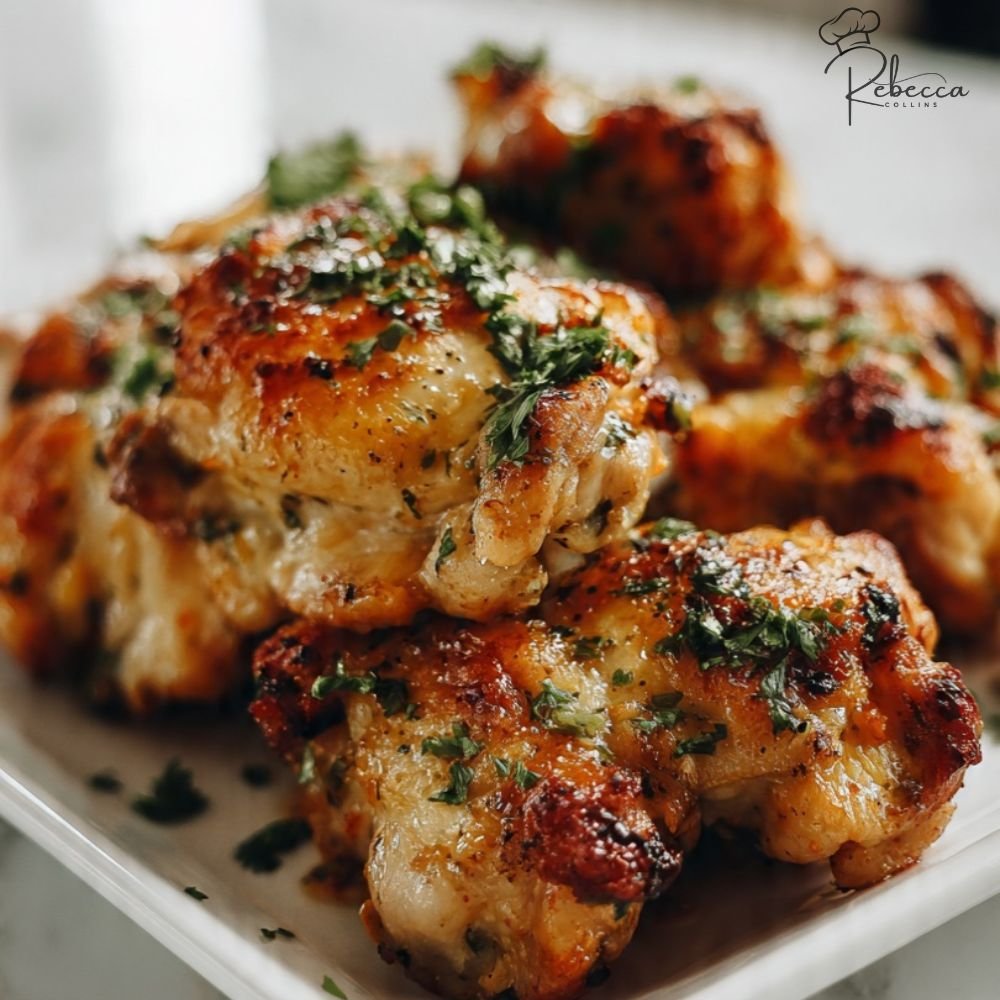
Boneless Skinless Chicken Thigh Recipe
Perfectly seasoned, tender, and juicy boneless skinless chicken thighs cooked to golden perfection. This simple recipe delivers restaurant-quality chicken with minimal effort – ready in under 30 minutes for busy weeknights!
shopping_basket Ingredients
- 2 lbs boneless skinless chicken thighs (about 8 thighs)
- 2 tbsp olive oil
- 1 tsp paprika
- 1 tsp garlic powder
- 1 tsp onion powder
- 1 tsp dried oregano
- ½ tsp salt
- ½ tsp black pepper
- ¼ tsp cayenne pepper (optional, for heat)
- ¼ cup chicken broth (for deglazing, optional)
- 2 tbsp fresh parsley, chopped
- lemon wedges
list Instructions
- Pat Chicken Dry: Pat chicken thighs completely dry with paper towels. This ensures a nice golden sear.
- Make Seasoning: In a small bowl, mix together paprika, garlic powder, onion powder, oregano, salt, pepper, and cayenne (if using).
- Season Chicken: Rub the seasoning mixture evenly over both sides of all chicken thighs.
- Heat Pan: Heat olive oil in a large skillet over medium-high heat until shimmering.
- Sear Chicken: Place chicken thighs in the skillet in a single layer (work in batches if needed). Cook for 5-6 minutes per side, until golden brown and internal temperature reaches 165°F (74°C).
- Optional Deglaze: Remove chicken to a plate. Pour chicken broth into the hot skillet and scrape up any browned bits. Simmer for 1-2 minutes to make a light pan sauce.
- Rest: Let chicken rest for 5 minutes before serving to lock in juices.
- Serve: Garnish with fresh parsley and serve with lemon wedges. Enjoy with rice, roasted vegetables, or a fresh salad.
monitor_heart Nutrition Information
Per Serving (2 chicken thighs)
lightbulb Success Tips & Variations
- Pat chicken dry: Removing moisture is the #1 secret to crispy, golden-brown chicken thighs.
- Don’t overcrowd the pan: Cook in batches if needed. Overcrowding lowers the pan temperature and steams instead of sears.
- Use a meat thermometer: Chicken thighs are perfectly cooked at 165°F. They can go to 175°F and stay juicy due to their higher fat content.
- Rest before cutting: Let chicken rest for 5 minutes after cooking to redistribute juices.
- Marinate for more flavor: For extra flavor, marinate chicken in olive oil, lemon juice, and the seasoning for 1-4 hours before cooking.
- Air fryer method: Cook seasoned thighs at 400°F for 10-12 minutes, flipping halfway, until internal temperature reaches 165°F.
package Storage & Reheating
Storage: Store cooked chicken thighs in an airtight container in the refrigerator for up to 4 days.
Freezing: Freeze cooked chicken thighs for up to 3 months. Thaw overnight in the refrigerator before reheating.
Reheating: Reheat in a 350°F oven for 8-10 minutes, in an air fryer at 375°F for 4-5 minutes, or on the stovetop over medium heat with a splash of broth to prevent drying out.
help Frequently Asked Questions
How do I know when chicken thighs are done?
Use an instant-read meat thermometer. Chicken thighs are safe to eat at 165°F, but they’re even more tender and juicy at 175-185°F due to their higher fat content.
Why are my chicken thighs dry?
Dry chicken thighs usually come from overcooking or cooking at too high heat. Thighs are forgiving but can still dry out. Use a meat thermometer and don’t exceed 185°F.
Can I bake these instead of pan-searing?
Yes! Bake seasoned thighs at 400°F for 20-25 minutes, or until internal temperature reaches 165°F. For crispy edges, broil for the last 2-3 minutes.
What goes well with chicken thighs?
Serve with roasted vegetables, mashed potatoes, rice, quinoa, pasta, or a fresh green salad. They also work great in tacos, wraps, salads, and meal prep bowls.